Install only
We put the system in and hand you the schedule. You run it from there.
- Full-perimeter drip system, 2–6 in deep
- Backflow preventer and programmable timer
- Texas 811 utility locate before we dig
- Baseline elevation survey
Most foundation movement in Austin comes from dry clay. We stabilize it before anyone sells you piers, and we tell you straight if you don't need a repair at all.
New to this? What is foundation maintenance →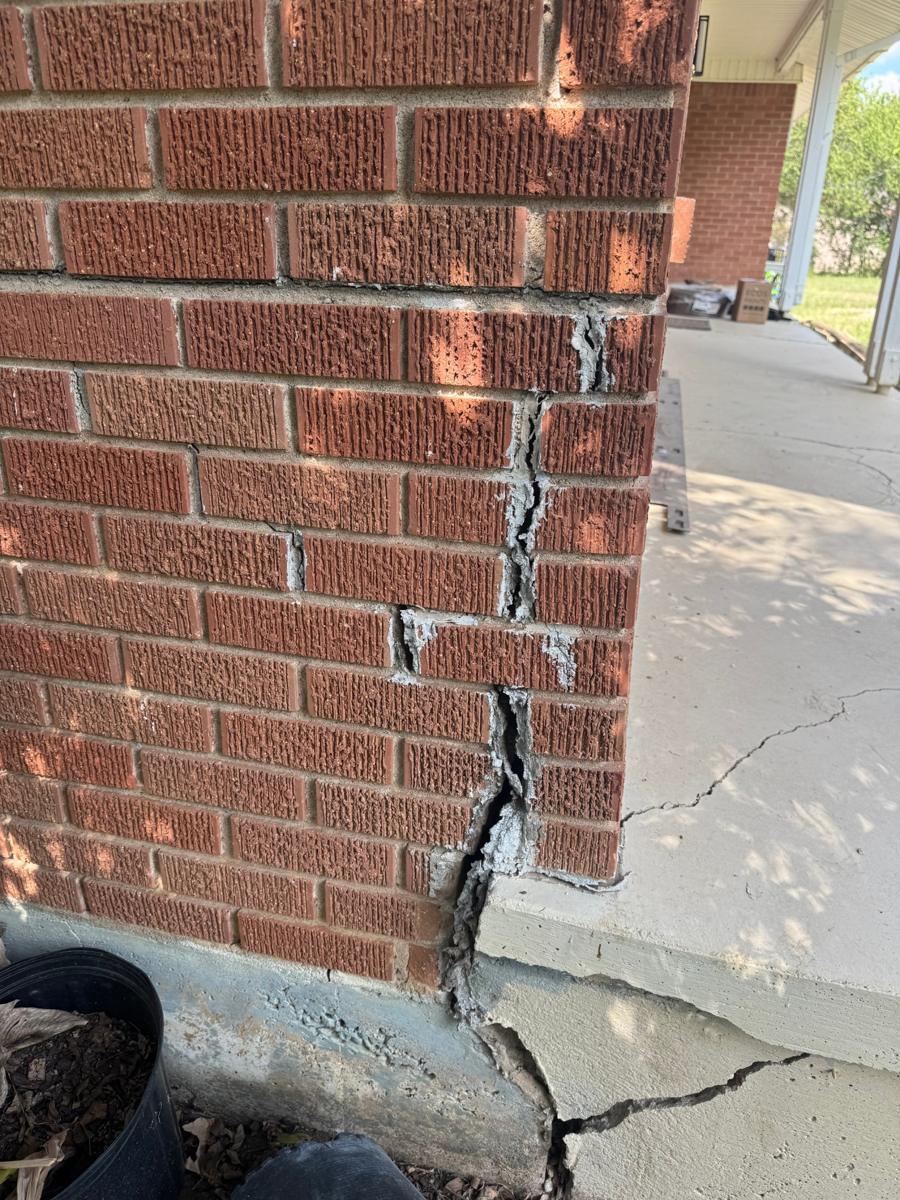
They usually mean the soil under your house is drying out or swelling unevenly. Catching it early is the cheapest time to fix it.
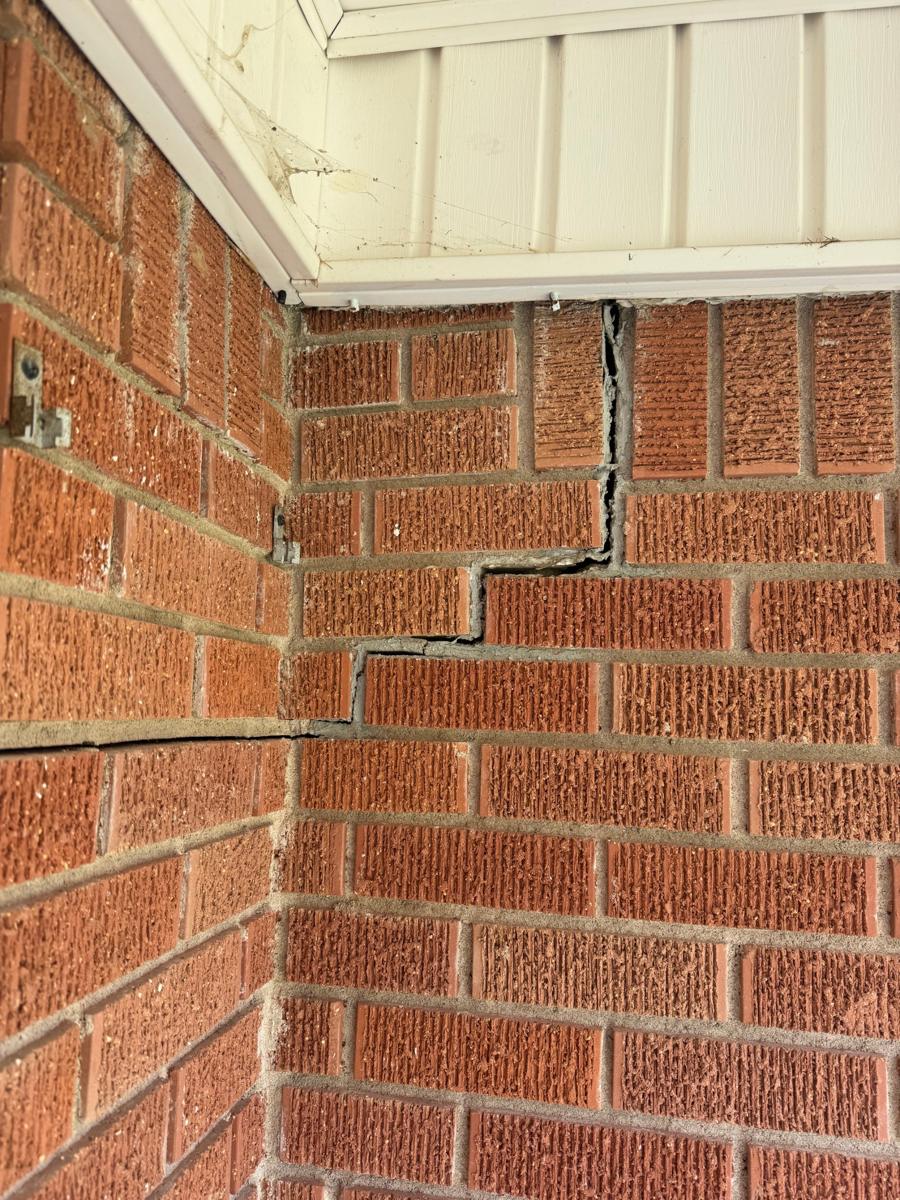
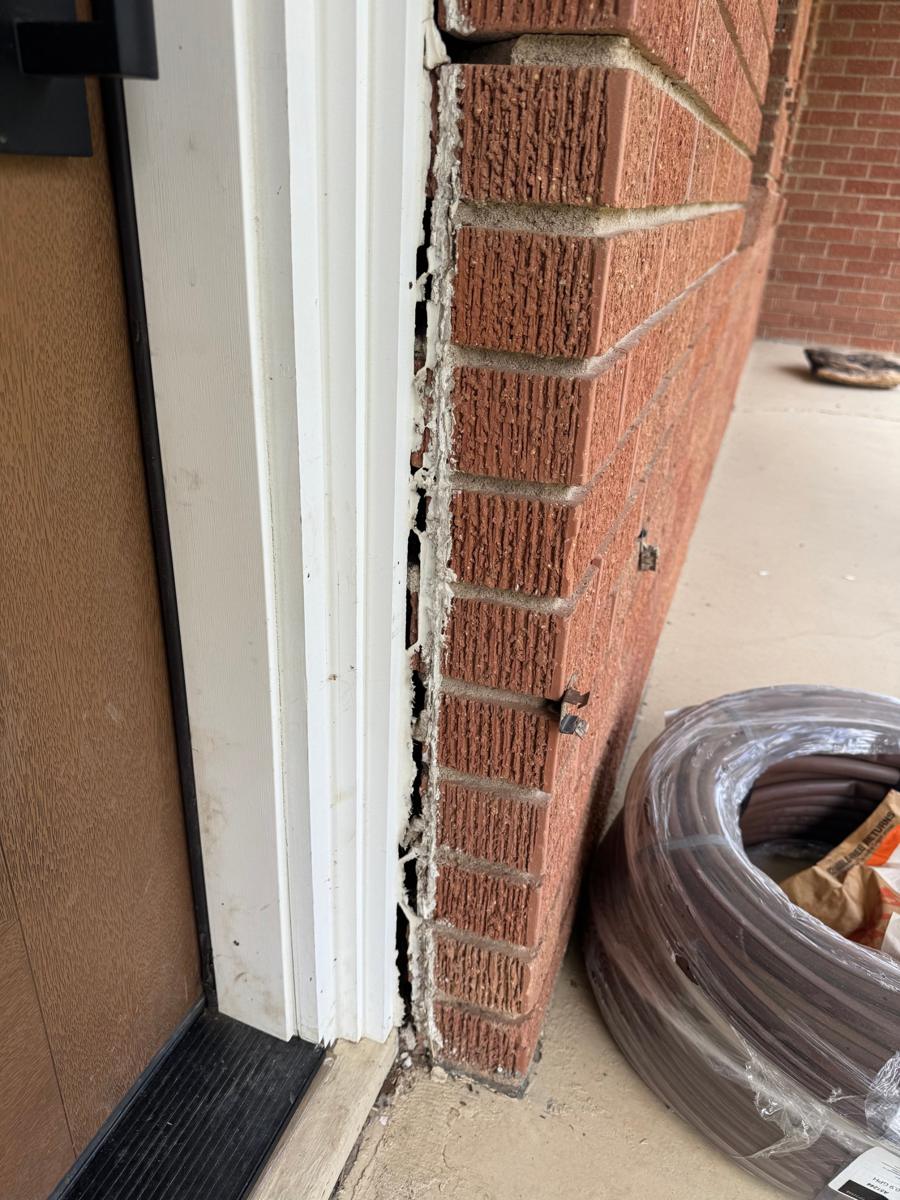
Cracks that zig-zag along the mortar lines.
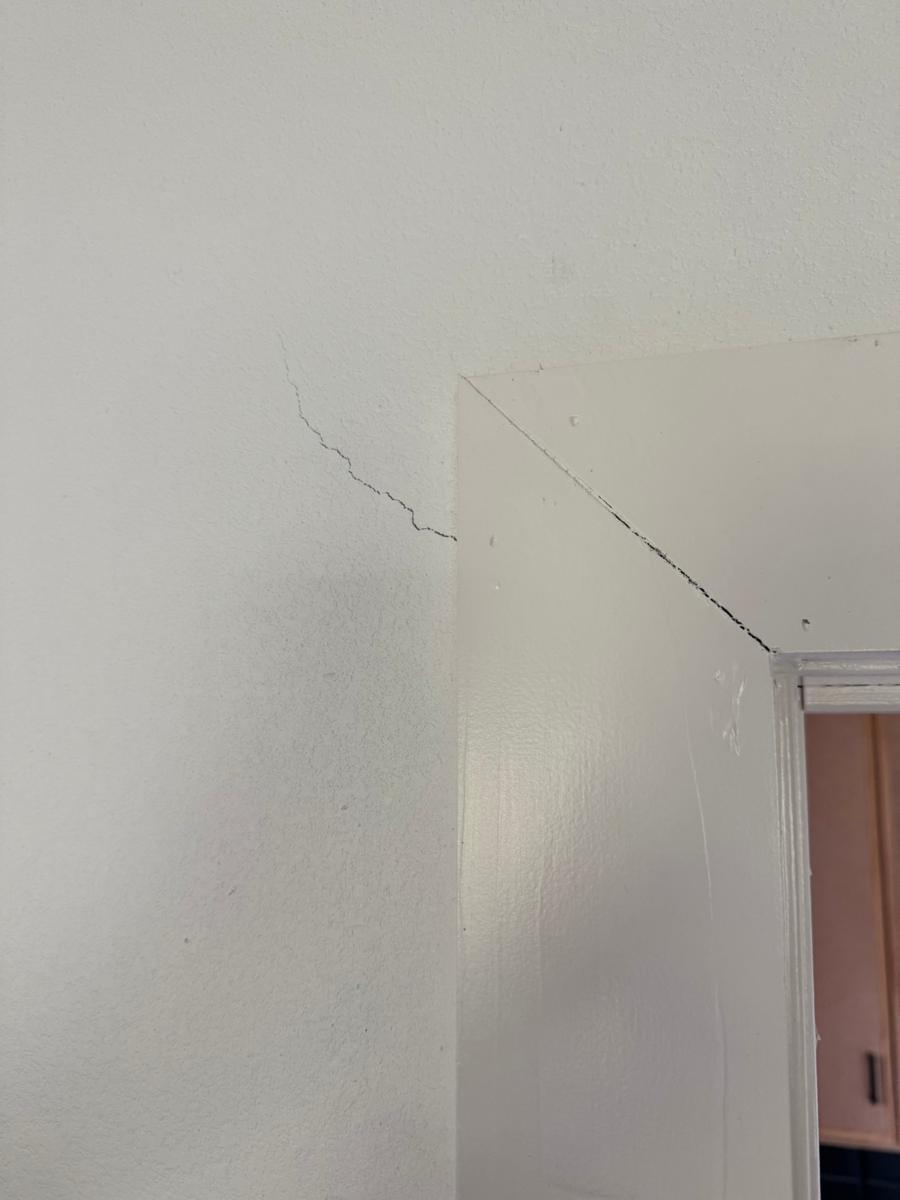
Diagonal drywall cracks and trim joints opening up. Doors often stick too.
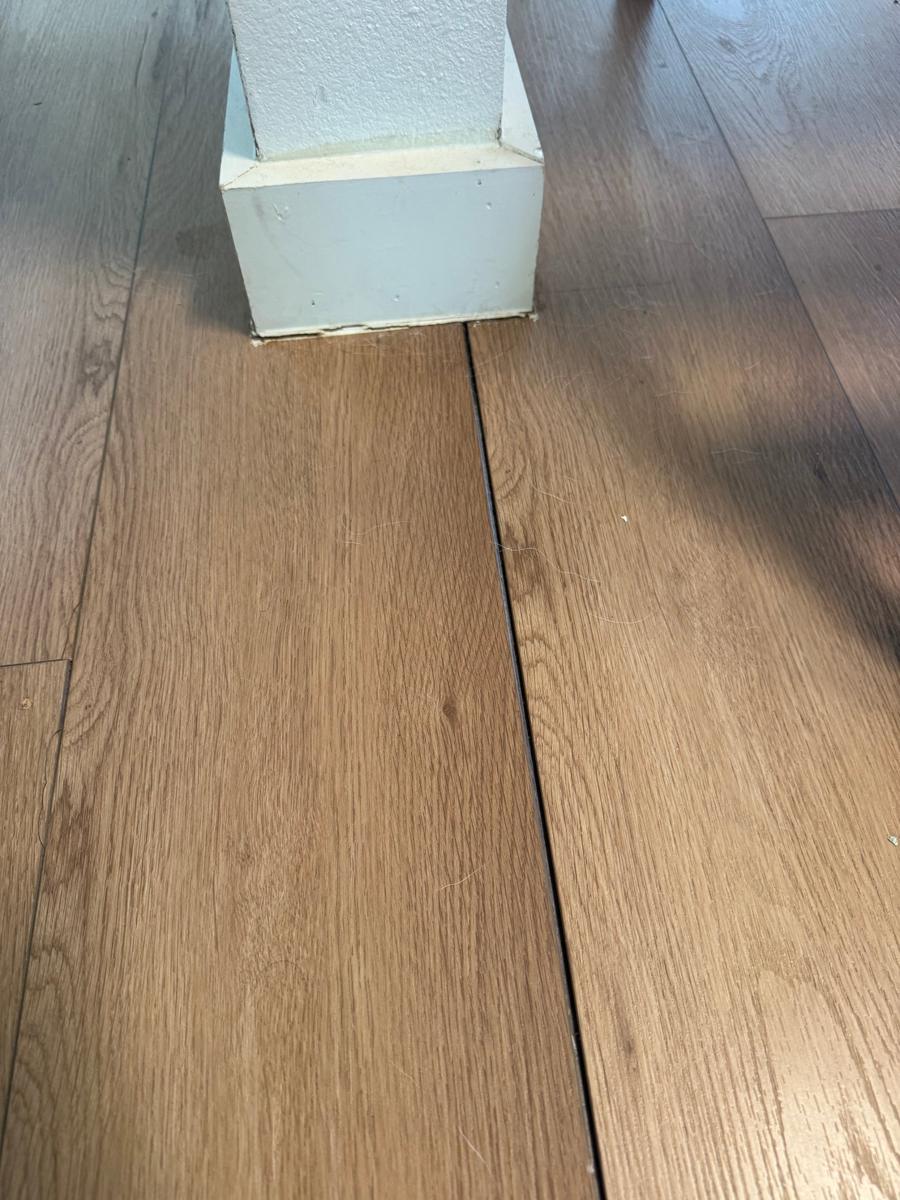
Planks separating, or floors that feel sloped.
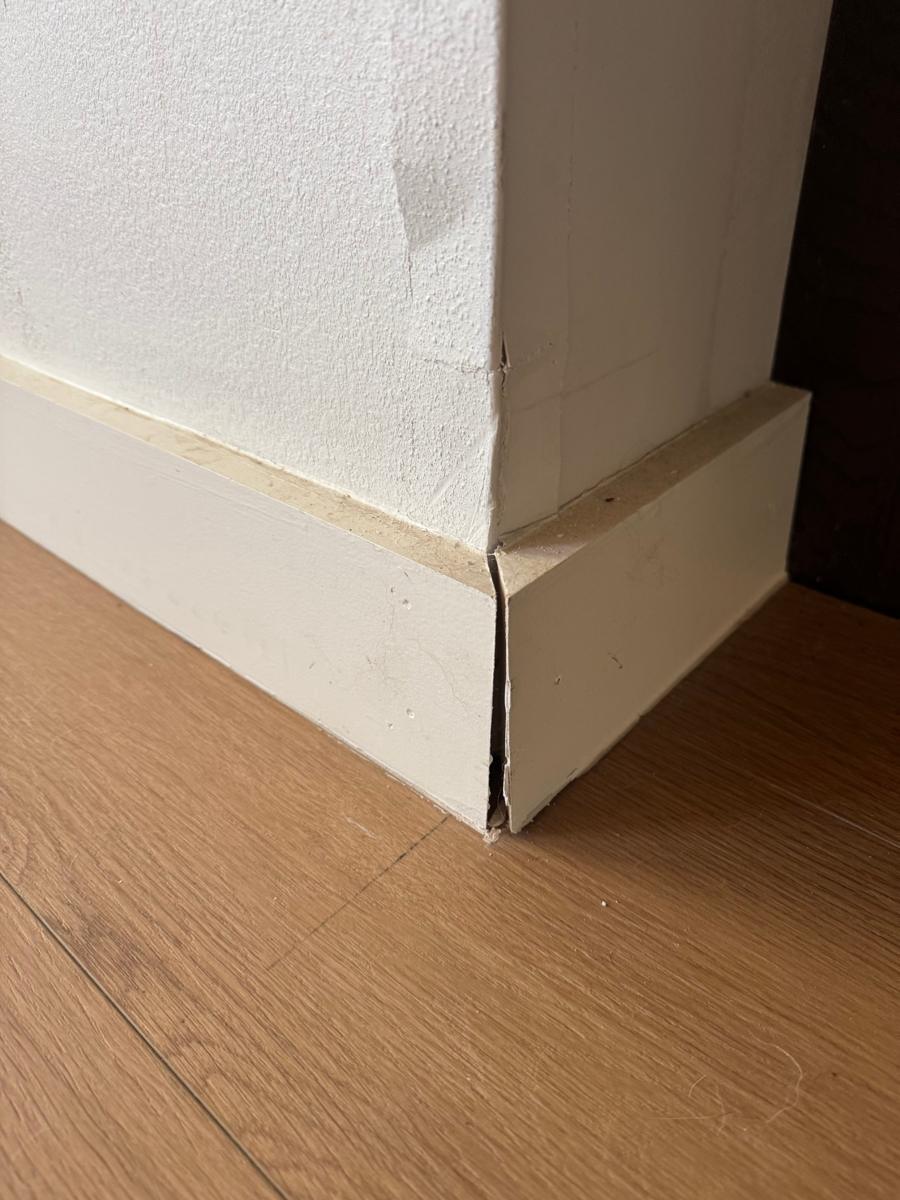
Baseboards and corners separating at the joints.
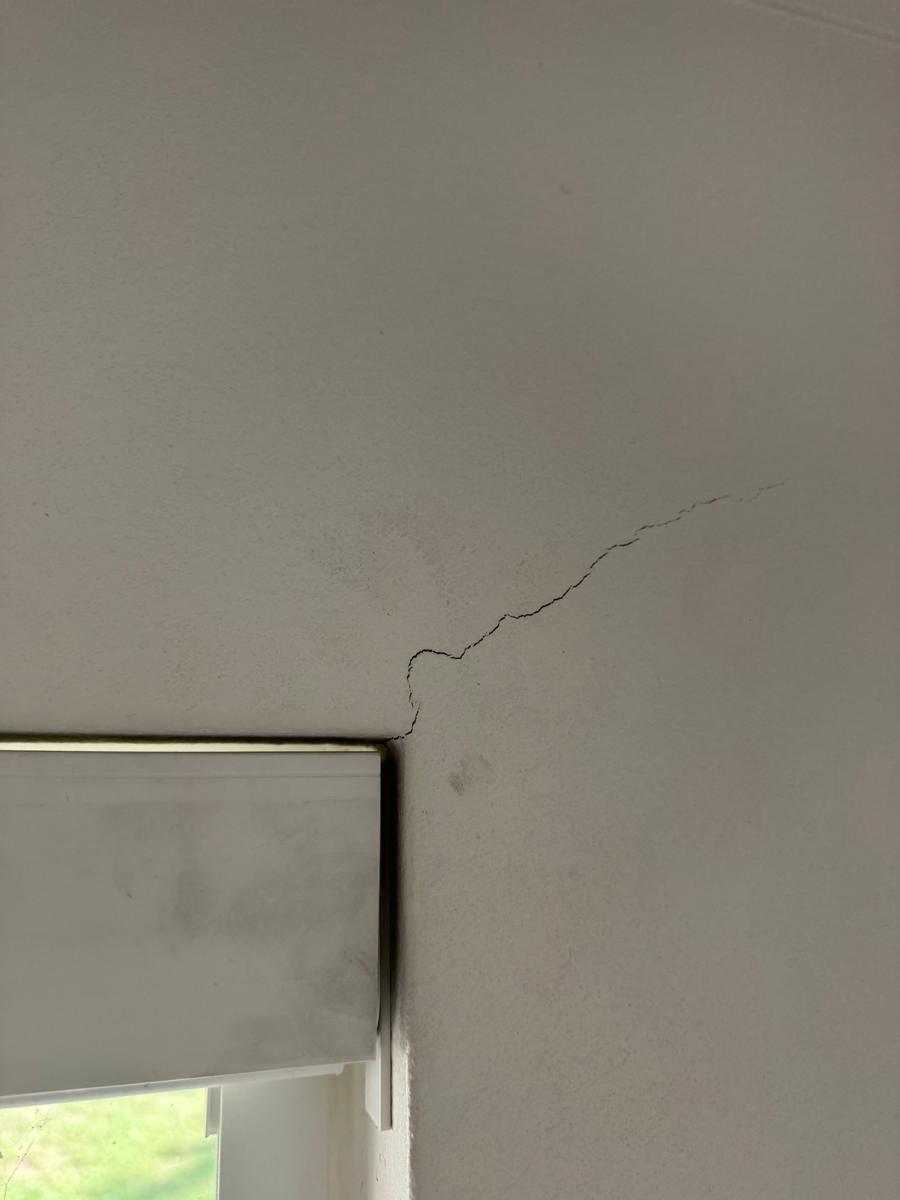
Cracks running out from window corners. Windows may stick.
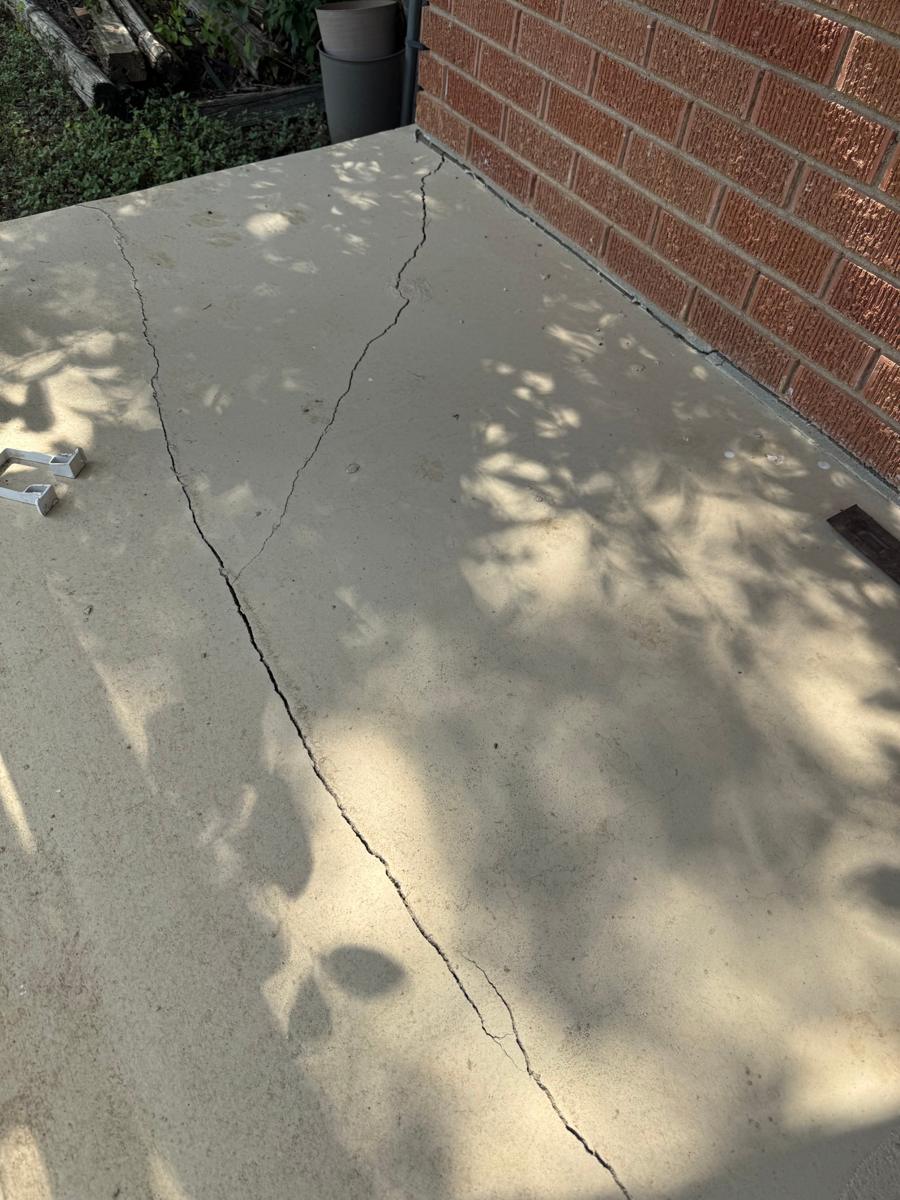
Long cracks in the slab, porch or garage floor.
Every photo above is from our founder's own house in Austin. Why this happens →
You can keep shimming and replacing piers, but if the clay underneath keeps shrinking and swelling, the house keeps moving. Until you stabilize the soil, or drill all the way down to bedrock, you'll keep having problems.
Read: What is foundation maintenance? →We measure your perimeter, take a baseline elevation survey, and review any repair quote you already have.
A drip system goes in 2–6 inches deep around the house. Quarterly visits keep the moisture steady all year.
If readings still show movement, members get repair at cost plus crew rate, under any written quote.
Illustrative readings, not a real customer's house.
Every home and system is different, so we price it at your free assessment. Here's how the options work.
Install only
We put the system in and hand you the schedule. You run it from there.
20% off your install
Sign up for our quarterly maintenance schedule and your install comes at 20% off. Contract pricing depends on your system and home size, and we go over it in person.
At cost + crew rate
For maintenance customers after 6 months. Under any written quote you bring us.
New homes and fresh remodels sit on disturbed soil and new grading. That's when a foundation is most likely to move, and when maintenance does the most good.
Why we startedI paid for a lifetime warranty and got a fine-print requirement.
Repair: $22,000Warranty: voidRe-repair quote: $10,000Less than two years after my foundation repair, the house moved again. The company said the warranty was void because I hadn't been watering my foundation, and offered to fix it for another $10,000.
Their own crew told me a drip system and six months of steady moisture would likely settle it. So that's what we do. Maintenance comes first, and we only win when your house stays level.
Billy Blackburn, founder
Yes. We measure, survey and give you a written estimate. No charge and no obligation, even if you don't need us.
For minor seasonal movement it often settles things back close to where they were. For larger movement it reduces how much repair you need. We can't promise either before we see a few months of readings.
The first few years on new grading are when movement is most likely. Installing early and recording a baseline is the cheapest time to do it.
Yes. Piers sit in the same clay and the perimeter beam moves with it. Additions on a different foundation type are covered too.
We call you within one business day to set up a time for your free visit. That's it.
It means keeping the soil around your house at the same moisture level all year, so the ground under your foundation stops shrinking and swelling. In Austin, that one habit decides whether a foundation repair lasts or has to be paid for twice.
Much of Central Texas is built on expansive clay. When it gets wet, it swells. When it dries out, it shrinks and pulls away from your foundation. A house can rise and drop with the seasons, and the edges move the most because they dry out first.
Foundation maintenance stops that cycle. A drip line buried a few inches deep around the perimeter, on a timer, keeps the soil at a steady moisture level. Steady soil means a steady house.
Shimming, leveling, adjusting piers, even replacing every pier under the house: all of it gets done on the soil as it is that day. In Austin, that soil is usually dried out and shrunk.
It's almost never the piers that fail. It's the ground beneath them. You can keep shimming and replacing piers, but until you stabilize the soil, or drill all the way down to bedrock, the movement comes back.
Repair without stabilizing the soil, and the ground keeps moving after the crew leaves. That's how a "fixed" house ends up with new cracks a year later, and why so many repair warranties require you to water your foundation. Fixing the house without fixing the soil sets you up to pay for the same repair again.
Many foundation warranties are void if you don't keep the soil watered. It's usually in the fine print. A maintenance system keeps your soil steady, keeps your repair level, and gives you inspection records if you ever need to make a warranty claim.
Got a repair quote? Unless it flags something urgent, stabilize the soil first. Give it about six months of steady moisture, then survey again. Minor movement often settles back on its own, and if you still need a repair, it's smaller and it holds.
All from one Austin house: our founder's.
Last updated October 2026
When you request an estimate, we collect your name, phone number, email, property address, and how you found our site (for example, which ad you clicked).
We use it only to contact you about your estimate, schedule your assessment, and provide our services. By submitting the form you agree we may call, text or email you about your request. Reply STOP to any text to opt out.
We never sell or rent your information. We share it only with service providers that help us run the business, such as our website host and phone system.